
Taking Back Ownership: Implementing a Multi-Tenant LMS for a Canadian Pharmacy Network
Overview
A Canada-based pharmacy organization with a workforce of 1,500+ employees approached us with a clear concern: their SaaS LMS no longer scaled with their business. Costs were increasing rapidly, integrations were limited, and the platform offered little room for customization. They needed full control over their learning ecosystem without compromising usability for non-technical staff.
Our goal was simple: help them own their Multi-tenant LMS platform, data, and roadmap.
Project Name
Multi-tenant LMS for Canada-based pharmacy
Services
Setup, Development, Support
Type
Multi-tenant LMS Development
The Challenge
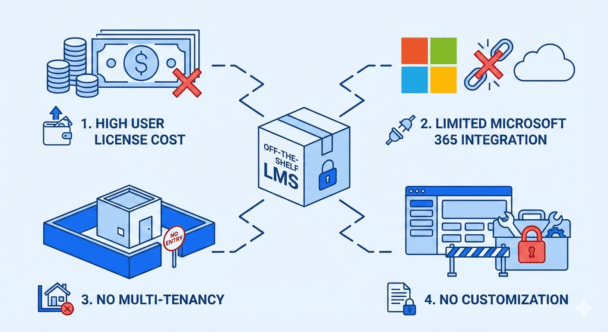
As the organization grew, several structural issues surfaced with their existing SaaS LMS:
Escalating license costs tied directly to user growth
Limited Microsoft 365 integration, restricted largely to SSO
No true multi-tenancy, making it difficult to train third-party partner employees
Inflexibility to build custom workflows and features required for compliance-driven training
The platform worked, but it worked on the vendor’s terms, not theirs.
Our Solution
Open-Source Architecture
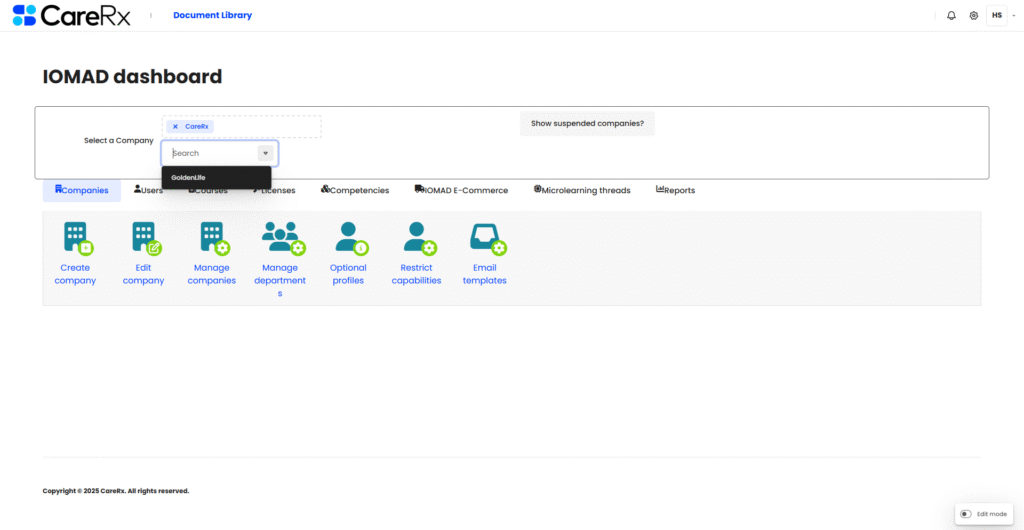
MoodleTM + IOMAD Deployment
We implemented Moodle with IOMAD to support:
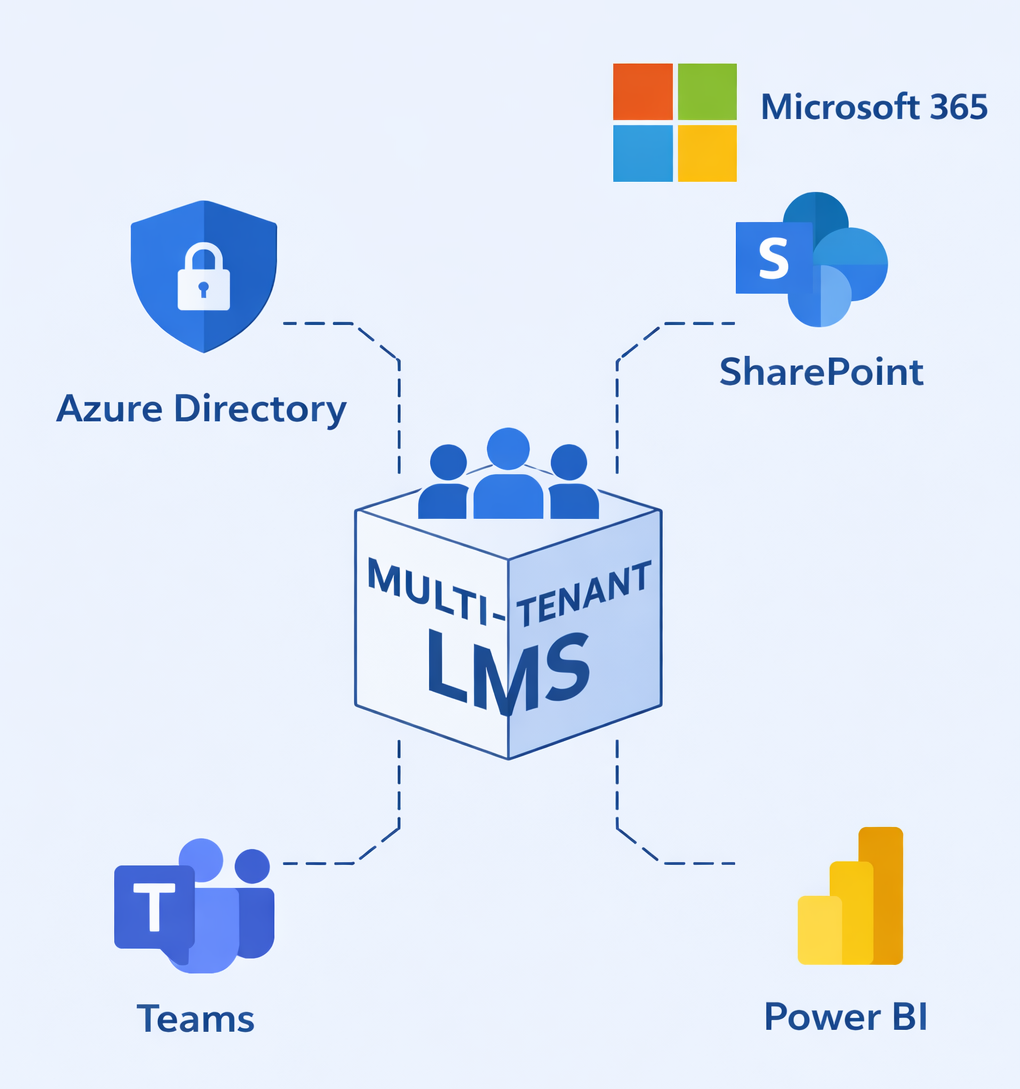
True multi-tenancy for internal teams and external partners
Complete control over user data
Scalability without per-user licensing costs
The LMS was deployed on private servers to meet security, compliance, and data ownership requirements.
UX & UI Design
A key requirement was usability for pharmacy staff who are not tech-savvy.
Clean, modern, minimalist theme
No visual noise or unnecessary navigation
Every button placement and interaction was reviewed and planned
Focus on clarity, speed, and task completion
The design prioritized doing the job quickly, not showcasing features.
Microsoft 365 & HRM Integrations
Instead of limiting integration to authentication, we implemented deep system-level integrations.
User and Group Synchronization
Automated user creation and updates from Microsoft 365
Group-based role and access mapping
Consistent user data across LMS, Microsoft 365, and HR systems
Automated Onboarding
New hires automatically provisioned in the LMS
Correct course assignments based on role and department
Reduced manual intervention from HR teams
These integrations ensured the LMS stayed accurate, up to date, and aligned with enterprise systems.
Custom Feature Development
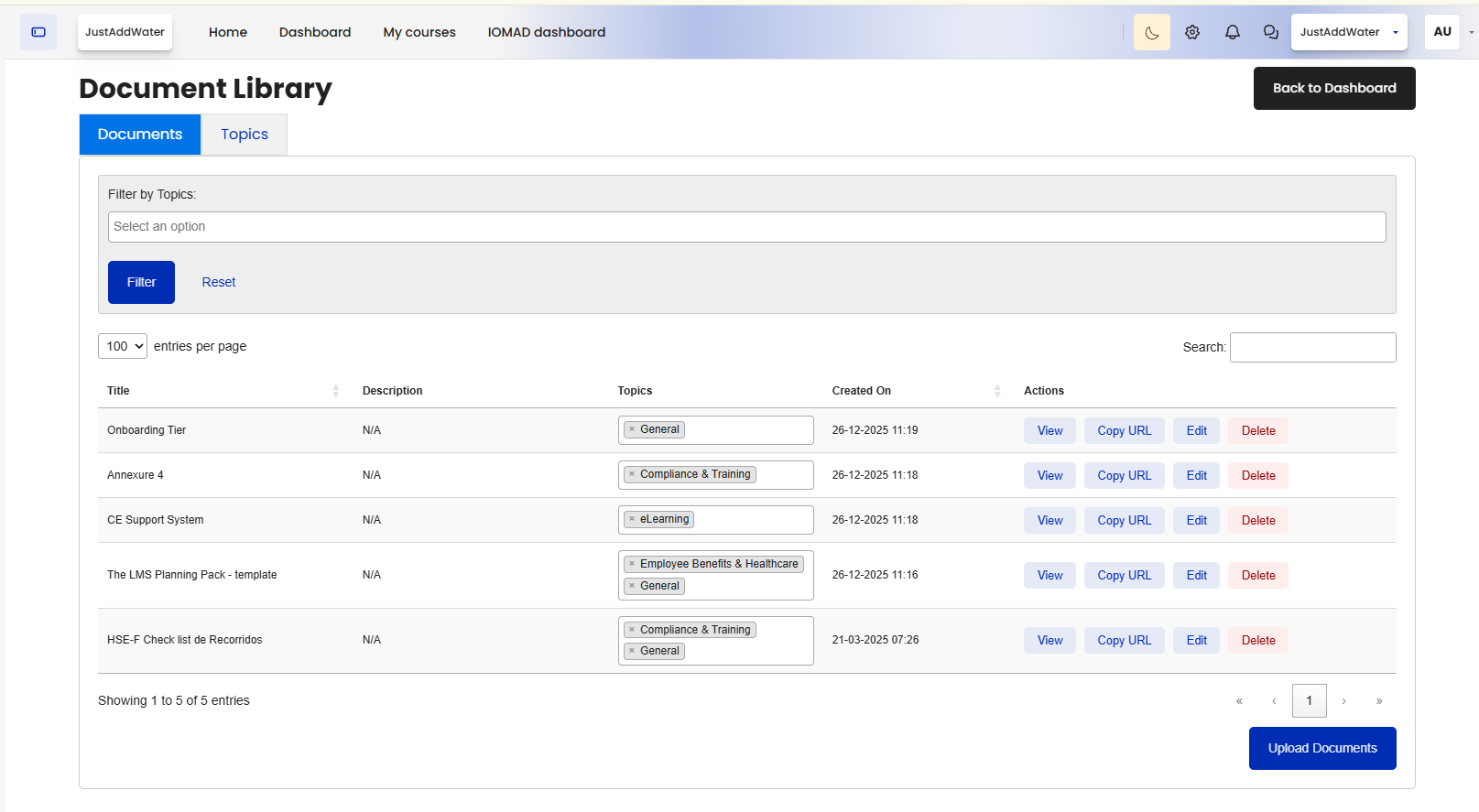
1. Central Document Library
A centralized repository was built to manage policies, SOPs, and compliance documents, ensuring staff always accessed the latest approved versions.
2. HR-Focused Reporting
Custom reports were developed to give HR teams clear insights into:
Training completion status
Compliance gaps
Department-wise performance
Reports were designed to be actionable, not just data-heavy.
3. Automated Role-Based Course Enrollment
Employees are automatically enrolled in courses based on their job position. When roles change, training requirements update automatically, ensuring continuous compliance.
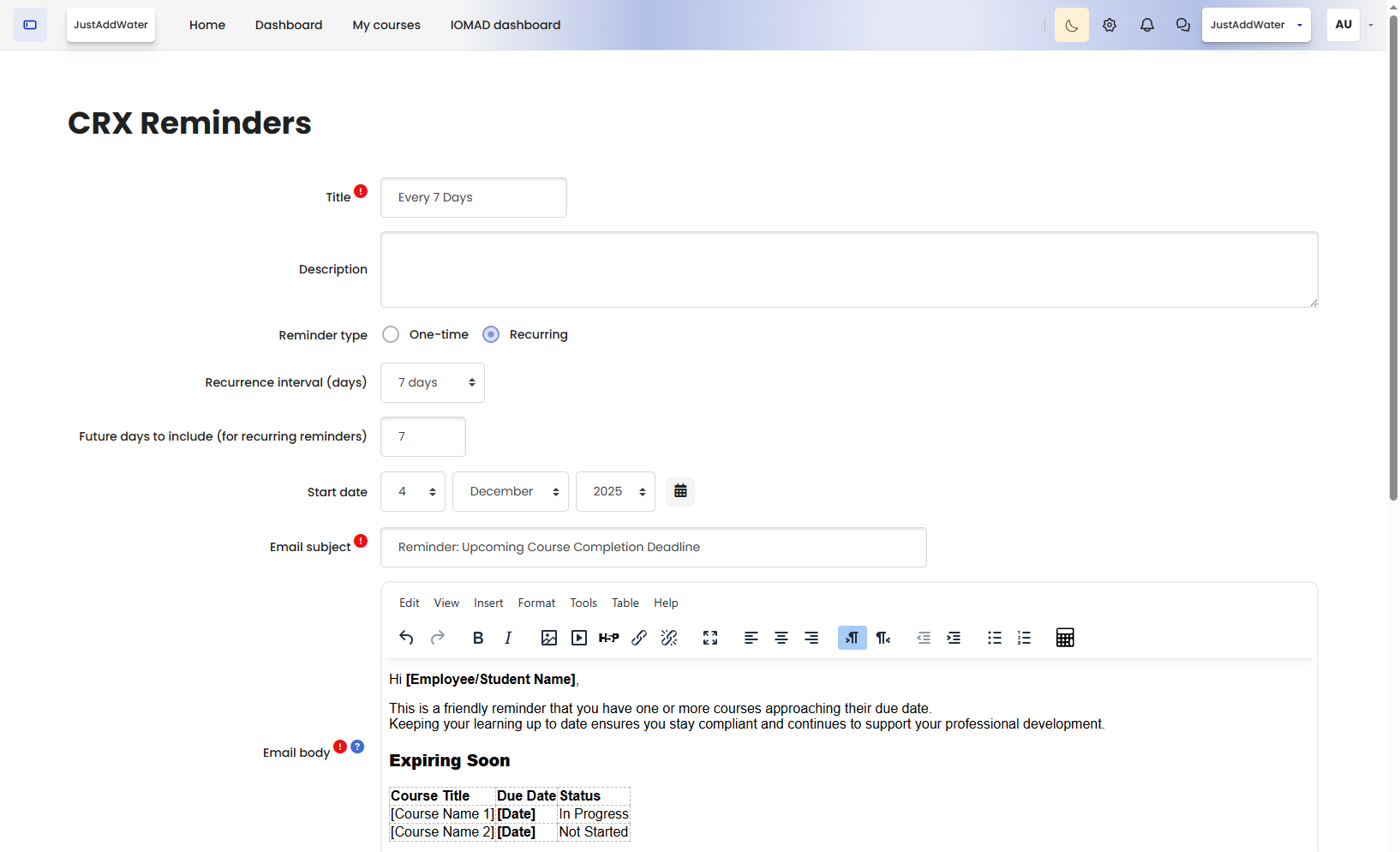
4. Recurring Compliance Reminders
Automated reminders were implemented for:
Upcoming course due dates
Overdue compliance training
Ongoing regulatory requirements
This significantly improved completion rates and reduced follow-ups by HR.
Have a project that you would like discuss?
Outcomes and Business Impact
Cost Optimization
Recurring per-user LMS licensing costs were eliminated
Infrastructure costs remained predictable and controllable
Operational Efficiency
HR teams saved time through automation and data synchronization
Reduced manual user and course management
Improved User Engagement
Faster, simpler learning experience
Higher course completion and compliance adherence
Long-Term Platform Ownership
Full control over roadmap, features, and integrations
No dependency on vendor pricing or product limitations
Conclusion
This engagement helped the organization transition from a restrictive SaaS LMS to a fully owned learning platform designed around their business needs.
By adopting an open-source, self-hosted Multi-tenant LMS with deep enterprise integrations, they gained flexibility, reduced costs, and created a scalable foundation for future growth.
The LMS is now a strategic internal platform, not just a subscription service.